Food & dietary needs · Mainland China
How to eat gluten-free in China
Finding rice in China is easy. Finding out what went into the sauce, broth or cooking water takes more work. A good gluten-free meal plan starts with those questions, then builds a few dependable options around where you are staying.
By TravelPalPal · Updated October 21, 2026 · 6 min read
The short answer
For a gluten-free trip, check three things for each meal: the main ingredients, the sauces and seasonings, and the preparation. Rice noodles can share cooking water with wheat noodles, and soy sauce commonly contains wheat. If you have celiac disease, arrange meals with kitchens that understand cross-contact and keep verified backup food for travel days.
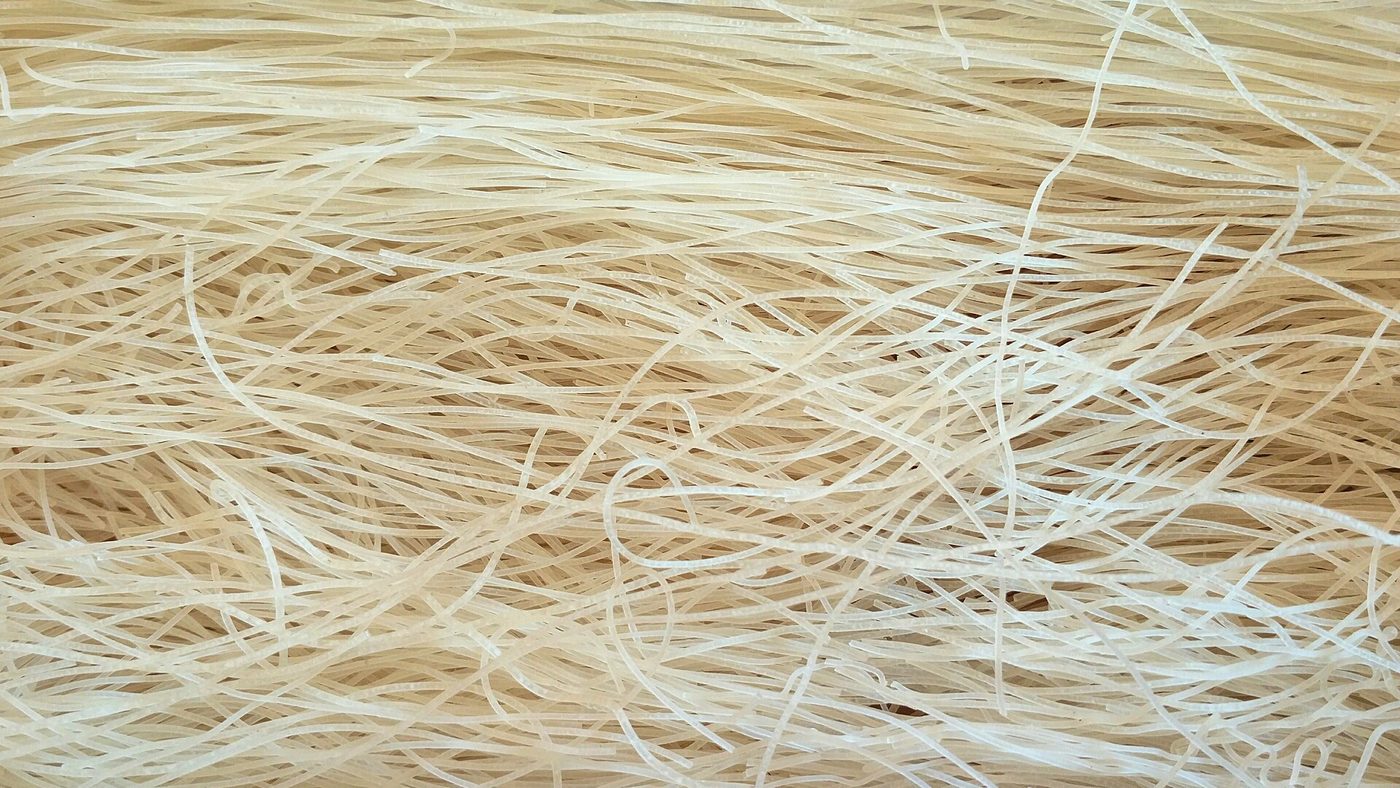
Rice vermicelli before cooking. The ingredients in the noodles, the cooking water and the finished dish’s sauce each need checking.
Popo le Chien / Wikimedia Commons · CC BY-SA 3.0 · resized01
Arrange meals before arriving in a new city
Contact your hotel about breakfast and look for one restaurant near your accommodation that can discuss its ingredients and preparation. Search the city name with 无麸质 (gluten-free), then read recent reviews and menus. A search result is a lead; confirm what the kitchen can do for your visit.
If you have celiac disease, explain that avoiding crumbs and shared cooking water matters, as well as omitting wheat. Prepare an accurate written Chinese explanation with a qualified translator and save it offline. Include sauces, coatings and shared equipment in that explanation.
Celiac disease, wheat allergy and gluten sensitivity are different conditions. Follow the dietary requirements given by your clinician. If you have a wheat allergy, tell the restaurant that specifically and use your allergy plan; a gluten-free label alone does not answer every wheat-allergy question.
02
Check soy sauce, marinades and seasonings
Many soy sauces are brewed with wheat. Light soy sauce (生抽) and dark soy sauce (老抽) describe styles; neither name means gluten-free. Soy sauce can already be in a marinade or braising liquid before a dish reaches the wok, so requesting no final drizzle does not remove it.
Ask staff to check the actual sauce or seasoning package. Gluten-free soy sauces exist, but a restaurant needs to use the verified product in your meal. Oyster sauce, bean pastes, stock powders and thickening mixtures vary by recipe and brand too.
When the kitchen cannot identify a premixed sauce, ask whether it can prepare a different dish with ingredients and seasoning it can verify. A plain-looking soup is not automatically easier to check: the stock may have been made long before service.

A real example: this Lee Kum Kee US-market soy sauce lists wheat flour and declares soybeans and wheat. Check the bottle in front of you—recipes and labels differ between products and markets.
Lee Kum Kee · excerpt from the US product page03
How to check rice noodles, dumplings and other staples
Plain rice is naturally gluten-free. Rice noodles and glass noodles can also be made from gluten-free ingredients, but their names are not a full recipe. Check the package or ask the kitchen what the noodles contain, then ask about the broth, toppings and boiling water.
Wheat noodles, ordinary dumpling wrappers, bao and scallion pancakes generally use wheat flour. 面筋 is wheat gluten, and 烤麸 is a wheat-gluten food often served in vegetarian dishes.
Liangpi (凉皮), a cold noodle dish, also needs checking: versions can be made from wheat starch or rice, and appearance alone does not distinguish them. Do not assume a wheat-starch product is suitable for celiac disease without verified gluten-free status. Sesame sauce and other toppings add their own ingredient checks.
| Term | Meaning |
|---|---|
| 小麦 / 小麦粉 | Wheat / wheat flour |
| 大麦 / 黑麦 | Barley / rye |
| 面筋 / 烤麸 | Wheat gluten / a wheat-gluten food |
| 麦芽 | Malt—check its grain source and gluten-free status |
| 配料表 / 无麸质 | Ingredient list / gluten-free |
04
Ask about the wok, fryer and noodle water
For celiac disease, gluten-free ingredients need preparation that avoids cross-contact. Ask whether the kitchen can use properly cleaned cookware, utensils and surfaces. Rice noodles need fresh water and clean equipment if the usual pot also cooks wheat noodles; fried food needs oil that is not shared with gluten-containing coatings.
Discuss a simple meal the kitchen can prepare from the beginning: for example, plain rice with vegetables and a protein cooked with verified seasonings. Agree on the seasoning and cooking method before the order is sent to the kitchen.
Hotpot needs the same conversation. A separate pot is useful only if the broth and ingredients are suitable and utensils stay separate. Check fish balls, marinated meats and dipping sauces. If the kitchen cannot explain its process, use another meal option instead of testing a small portion.
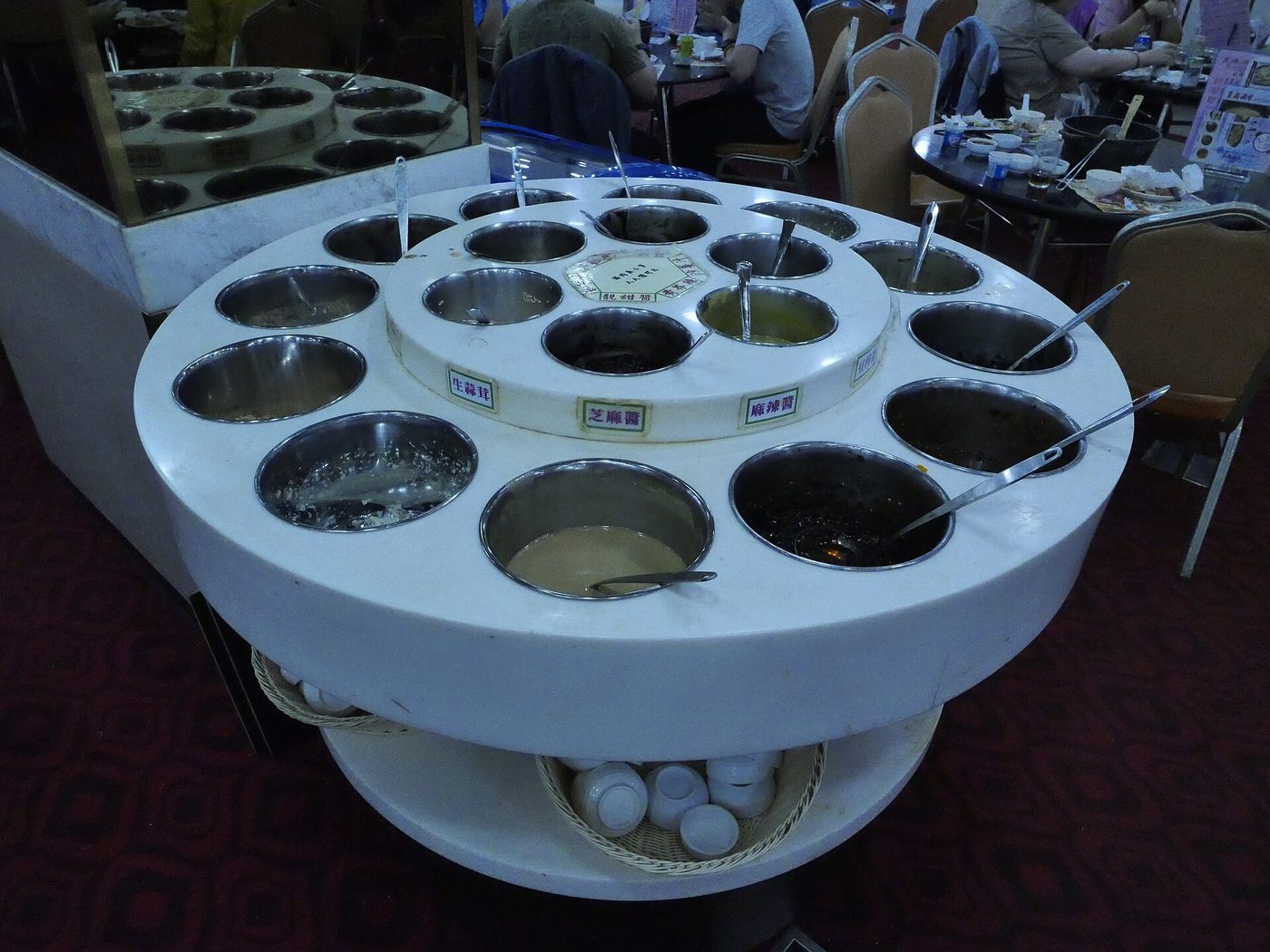
Prepared dips need their own ingredient checks. At hotpot, check the broth and sauces as well as the noodles, and use separate utensils for your meal.
Peachyeung316 / Wikimedia Commons · CC BY-SA 4.0 · resized05
How to shop for gluten-free food in China
A supermarket can give you more control over ingredients than a restaurant with a fixed broth or sauce. Read the ingredient list, allergen information and gluten-free labeling on the exact package. A translation app helps with the text; contact the manufacturer about unclear ingredients.
Products sold as gluten-free can be useful, but “organic,” “vegan” and “no additives” are different claims. The absence of wheat from a quick translation does not rule out barley, rye or cross-contact. Follow the label-reading approach recommended by your clinician or dietitian.
For a longer stay, a kitchen lets you prepare meals with ingredients you have checked. Look at the actual cooking facilities before booking: a kettle and microwave provide different options from a hob and pans. Shared cookware still needs proper cleaning, and strainers or heavily scratched equipment can be difficult to clean thoroughly.
06
Plan hotel breakfasts, train journeys and late arrivals
Ask about breakfast before choosing a hotel on the strength of its buffet. A made-to-order meal is useful only if staff can confirm its ingredients and avoid shared equipment. Buffet tongs, bread crumbs and shared serving areas deserve attention even when the food itself contains no gluten.
For trains and day trips, bring a meal or packaged foods you have already checked. Arrange this before leaving a neighborhood with suitable shops. A special airline meal request also needs a backup in case it is unavailable or its suitability cannot be confirmed.
When a restaurant meal works well because the ingredients and process were clearly explained, save the branch, dish and agreed preparation. Reconfirm on the next visit, but you will have a much clearer starting point than a fresh search each evening.
Frequently asked questions
- Does glutinous rice contain gluten?
- No. “Glutinous” refers to its sticky texture; the rice itself is naturally gluten-free. A rice cake or filled rice ball still needs checking for added flour, fillings, coatings and cross-contact.
- Is a rice-based region automatically easier for celiac travelers?
- It can offer more rice-based staples, but you still need to check sauces and kitchen procedures. Choose accommodation and restaurants you can communicate with rather than relying only on a region’s cuisine.
- Can I bring my own gluten-free soy sauce to a restaurant?
- Ask the restaurant first. It can help with one ingredient if the kitchen agrees to use it, but it does not change an existing marinade, stock or shared cooking equipment. Confirm the whole preparation.
Before you travel: This guide supports travel planning, not diagnosis or individualized dietary treatment. Follow your clinician’s advice for celiac disease, wheat allergy or other dietary needs. Recipes vary, and photos do not certify a meal as gluten-free.