East China · A city guide
NanjingA little closer.
Nanjing’s history is spread across a substantial city: old walls beside a lake, a river neighborhood with an evening life, and memorial landscapes in the hills. These guides give each area room and explain the connections. Choose a few meaningful visits, then leave time for a meal and a walk that is not another appointment.
By TravelPalPal · Updated
China · East China
Old walls, river evenings, and stories in the hills.
- Suggested stay
- 2–3 full days
- Best for
- Historic sites, city walls & Qinhuai evenings
- Start here
- Arrival essentials, then a guide
Make a day of it.
Itineraries, discoveries & practical notesItineraries
Three days in Nanjing: city walls, Purple Mountain & a Qinhuai evening
A three-day Nanjing itinerary that separates Xuanwu Lake and a wall section, Purple Mountain historic sites, and a cultural visit with a Qinhuai evening, including rail planning.
Neighborhoods
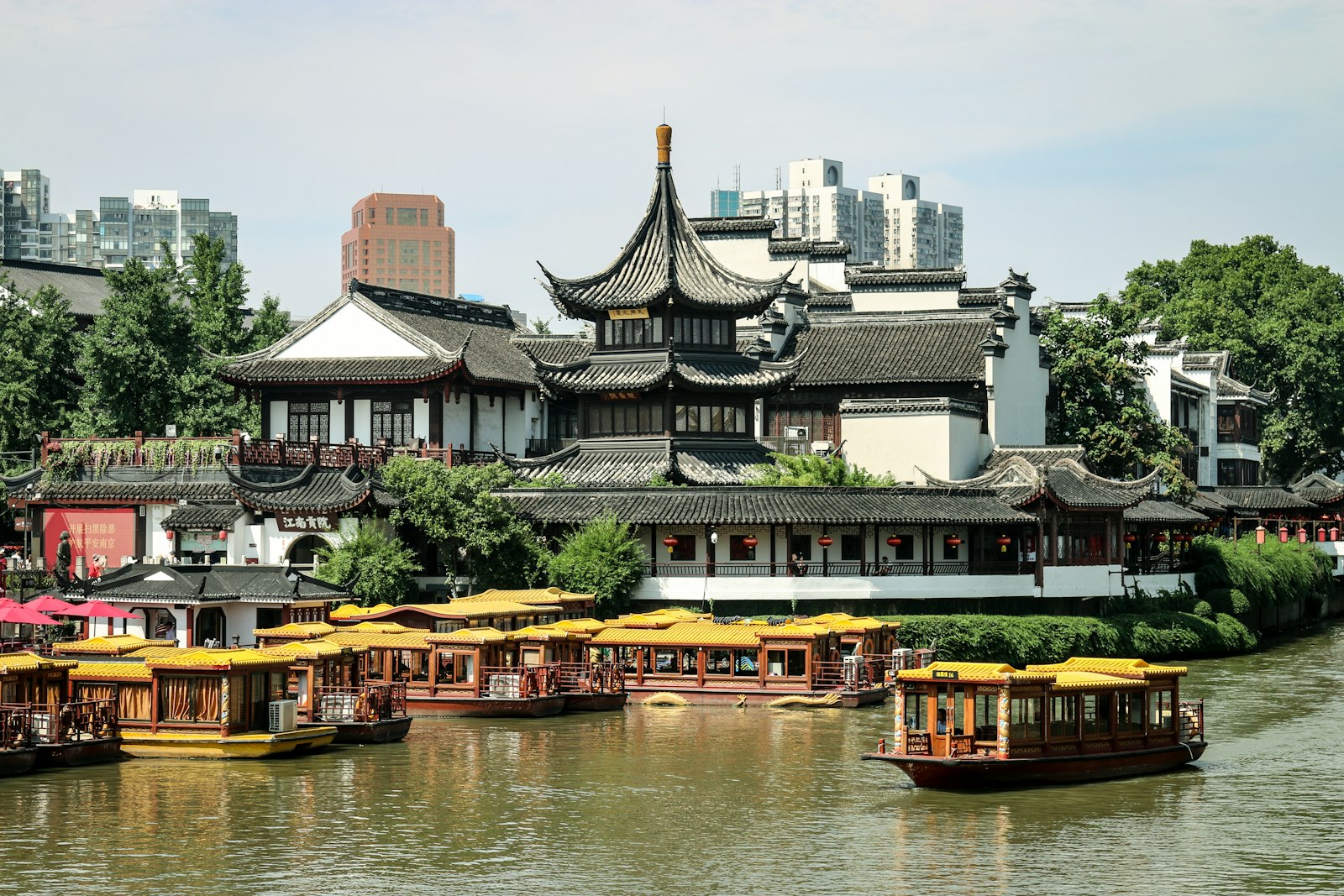
Nanjing’s City Wall & Qinhuai: two walking blocks with a real break
Plan a Nanjing City Wall visit and a separate Fuzimiao–Qinhuai outing with named entrances, wall-section choices, public streets, boat decisions and return transport.
Practical planning
Purple Mountain: choose the historic sites before planning the walk
Plan Nanjing’s Purple Mountain with distinct Sun Yat-sen Mausoleum, Ming Xiaoling and Linggu choices, current reservations, named entrances, transport links and walking demands.
Before you go
Nanjing essentials
Choose a base for your mix of city and hillside visits
Xinjiekou is a practical central base for metro connections and meals. The Fuzimiao area suits travelers who want the Qinhuai evening close to their hotel, while a Xuanwu Lake-side stay supports a different walking plan. Compare the exact entrance and transit access rather than assuming every central neighborhood suits the same itinerary.
Purple Mountain is a separate outing from the southern river streets. Choose accommodation for the entire stay, with an easy place to rest between major visits. A room near one attraction can still involve substantial journeys to the others, so map the two or three areas you care about before booking.
Read Nanjing and Nanjing South carefully
Nanjing Lukou International Airport uses NKG. Nanjing Railway Station (南京站) and Nanjing South Railway Station (南京南站) are separate arrivals and departures. Match the full name on the ticket with your hotel transfer, including luggage, the metro exit and the last walking section.
Keep an arrival evening modest, especially after a late flight. For a departure day, choose a small outing near a practical return connection and leave time to collect stored luggage. A sightseeing plan should work with your confirmed train station rather than hoping that any place called ‘Nanjing station’ will be close enough.
Historic areas contain several different visitor sites
The City Wall (南京城墙) has different visitor sections and access points; choose a named entrance and check its current admission. Around Fuzimiao, public streets, temple interiors, exhibition venues and river boats have separate arrangements. Walking in a neighborhood is not the same booking as entering every attraction within it.
On Purple Mountain, Sun Yat-sen’s Mausoleum, Ming Xiaoling and the Linggu area are distinct sites. Read current reservation and ticket requirements for the places you choose. A broad Zhongshan or Purple Mountain description does not establish one universal admission or a short walk between all of its landmarks.
Give the more serious visits real attention
Choose a main cultural visit per block, with time for reading and the walk between buildings. A memorial or museum can need a different pace from a commercial river street. Check the specific venue’s current opening and reservation information before adding it to a day that already has a hillside outing.
For the Qinhuai evening, keep one neighborhood loop and a meal as the core plan. A cruise is optional and needs its own boarding arrangements. Weather, stairs and queues matter to the day’s comfort, so preserve a rest rather than treating every available hour as another sightseeing slot.
Sources & useful links
Prepared by TravelPalPal using the references below. Routes and pacing are editorial suggestions; use official venue information for current tickets, opening hours and access.
- Nanjing tourism · Major attractions and their locations (opens in a new tab)
- Nanjing government · Zhongshan Mountain historic sites (opens in a new tab)
- Nanjing government · Purple Mountain and Ming Xiaoling paths (opens in a new tab)
- State Council · Practical services for international visitors (opens in a new tab)