South China · A city guide
GuangzhouA little closer.
Guangzhou makes a strong case for planning around a meal. Start with Cantonese morning tea, explore an older neighborhood, then give the Pearl River a little of your evening. These guides connect the city’s food culture, historic streets and modern skyline at an easy pace.
By TravelPalPal · Updated
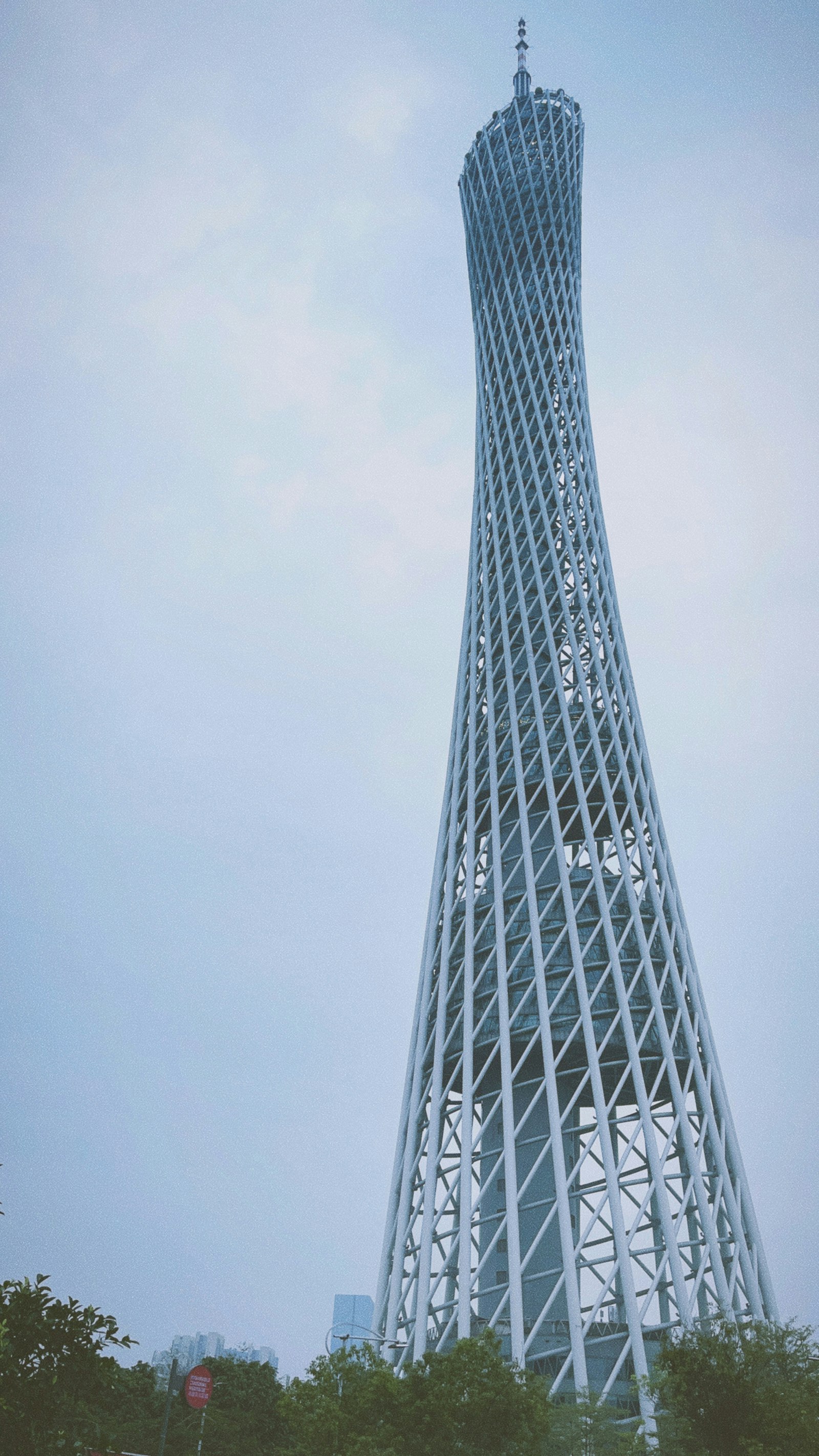
China · South China
Good food. A city with time for you.
- Suggested stay
- 2–3 full days
- Best for
- Cantonese food, historic streets & river views
- Start here
- Arrival essentials, then a guide
Make a day of it.
Itineraries, discoveries & practical notesItineraries
Two days in Guangzhou: old streets & the Pearl River
A practical two-day Guangzhou itinerary pairing Cantonese morning tea with Xiguan and Shamian, then the modern city and Pearl River views, without rushing.
Neighborhoods
Guangzhou neighborhood walks: Xiguan & Shamian
Plan two manageable Guangzhou walking stops in Yongqing Fang, Xiguan and Shamian, with Chinese place names, transport breaks and respectful architecture viewing.
Food & drink
Cantonese morning tea in Guangzhou: how to order
A first-timer’s Guangzhou morning-tea guide: choosing dim sum, understanding portions and tea charges, ordering in Chinese and planning a relaxed Cantonese meal.
Before you go
Guangzhou essentials
Choose an old-city or modern-city base
Yuexiu works well for travelers who want central shopping streets and established neighborhoods. Liwan is a useful starting point for Xiguan and Shamian. Tianhe suits a trip with more time around the modern business district, malls and skyline views.
Compare the walk to a metro entrance and the distance to your first planned activity. Pazhou can make sense for a fair or business visit, but it is a different base from the older sightseeing districts. Check room prices against your actual dates, especially around major trade events.
Check the airport code and full station name
Guangzhou Baiyun International Airport uses CAN. Guangzhou South Railway Station (广州南站), Guangzhou East (广州东站) and Guangzhou Railway Station (广州站) are separate arrival points. Match your transfer to the one on your ticket; ‘Guangzhou station’ is not enough detail.
Use the metro for district-to-district travel and keep walks focused on one neighborhood. Road travel can be helpful with luggage, but allow for traffic. Guangzhou and Shenzhen are separate city visits even when a rail connection makes them easy to combine over a longer trip.
Give morning tea a proper place in the day
A morning-tea visit is a seated meal with tea and small dishes, not simply a quick cup before sightseeing. Start with a few dishes and order more if you want them. Menus and billing arrangements vary, so check tea charges, portions and the ordering method before committing to a large spread.
Pair an older-neighborhood morning with a meal nearby, then choose the next district deliberately. A route through Yongqing Fang and a separate Shamian visit works better with a transport break than with an automatic all-day walk. Save the Chinese names of both places.
Leave room for humidity and indoor breaks
Check the actual forecast before long outdoor plans. Warm, humid weather and heavy rain can change the comfort of a street walk quickly. Carry water and a compact umbrella, and choose a sit-down lunch or an indoor visit when the outside portion stops being enjoyable.
Prepare a payment app and a backup, plus the hotel’s Chinese address. For museums, tower visits and performances, check the specific venue’s tickets and current entry arrangements. A riverside view does not require purchasing every observation-deck or cruise product offered nearby.
Sources & useful links
Prepared by TravelPalPal using the references below. Routes and pacing are editorial suggestions; use official venue information for current tickets, opening hours and access.
- Guangzhou government · Visitor and city-service guide (PDF) (opens in a new tab)
- Guangzhou government · Food and entertainment guide (opens in a new tab)
- Guangzhou tourism bureau · Cultural visitor map (PDF) (opens in a new tab)
- State Council · Practical services for international visitors (opens in a new tab)